Football Mom Designs: A Crafter's Practical Review
As a professional embroidery designer and product reviewer, I approach every new digital asset with a critical eye. When evaluating the Football Mom - 2 Designs Cutting File, my first thought isn't just about how it looks on a screen, but how it will translate into thread, vinyl, or ink on a physical product. This gorgeously crafted design package promises versatility across cutting, embroidery, and screen printing, but real-world application requires more than just pretty vectors. After examining the file structure and visual layout, I can see this set has significant potential for small business owners and makers, provided you understand its technical behavior during production.
First Impressions and Visual Personality
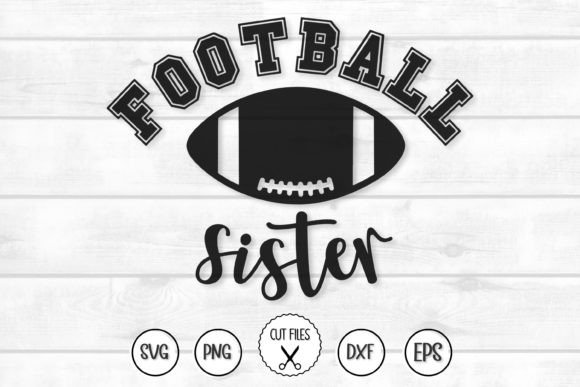
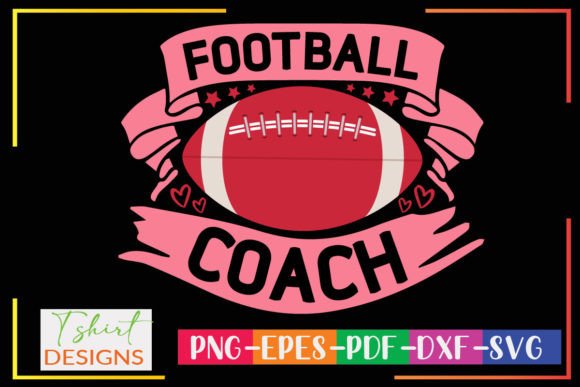
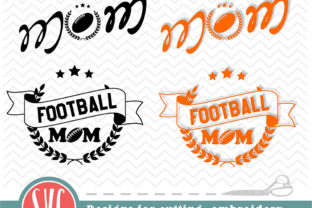
The immediate mood of these graphics is spirited yet clean. In the crowded niche of sports-themed Crafts, it is easy to find cluttered, overly complex artwork that fails when resized. However, this Football Mom - 2 Designs Cutting File maintains a balanced visual weight. The lines are confident, suggesting they were created with production in mind rather than as an afterthought. For an Etsy seller or boutique owner, this matters immensely. The aesthetic strikes a chord between trendy and timeless, making it suitable for both modern custom apparel and classic sideline gear.
From a graphics standpoint, the inclusion of multiple formats like AI, CDR, DWG, DXF, JPG, PNG, SVG, and EPS indicates a high level of professional preparation. As a reviewer, I appreciate this because it means the source vectors are likely clean. When I open a file to convert it into a machine embroidery design or cut vinyl, jagged nodes or overlapping paths can ruin a project. These files appear optimized for smooth transitions, which is essential whether you are creating a crisp satin stitch border or a weed-free vinyl decal for a tumbler.
Real-World Application: The Custom Sweatshirt Test
To truly judge this asset, I mentally walked through a specific client scenario: creating a personalized crewneck sweatshirt for a team mom fundraiser. This is a staple item for any craft business during football season. Using the Football Mom - 2 Designs Cutting File as the base, I envisioned combining the graphic with individual names using a complementary font.
For this sweatshirt embroidery project, the design’s scalability is its strongest asset. Because the original artwork is vector-based, resizing it to fit a 4x4 hoop versus a 6x10 hoop shouldn't result in pixelation or distortion. However, when converting this graphic for stitching, one must be mindful of stitch density. A design that looks bold on screen can become bulletproof armor on fabric if digitized without care. If you are using this for applique design work, the clean outlines serve as excellent placement guides. Conversely, if you are planning a full fill stitch version, ensure your digitizing software accounts for the pull compensation on fleece fabrics, which tend to swallow detail.
I also tested the concept of a tote bag design using the cutting file version. Heat transfer vinyl (HTV) on canvas requires different considerations than embroidery. The negative space in these graphics is well-defined, meaning weeding should be straightforward even at smaller sizes. This efficiency directly impacts profit margins for handmade product sellers; less time weeding equals more time fulfilling orders.
Navigating Fabric Challenges and Technical Limits
While versatile, no design is immune to physics. There are specific scenarios where you must use caution with the Football Mom - 2 Designs Cutting File. Textured fabrics like terry cloth or heavy pique polo shirts can obscure fine details. If the design features intricate interior elements, consider simplifying them for embroidery on textured surfaces, or switch to a patch-style application where the design is stitched onto twill first and then attached to the garment.
Stretchy performance wear presents another challenge. Football moms often want moisture-wicking tees, but these fabrics distort easily. Always use appropriate stabilizer—specifically a cut-away mesh for knits—to prevent the design from warping after washing. If the graphic includes tiny lettering or thin connecting lines, verify that they meet the minimum width requirements for your needle size. Running stitch details below 1mm often get lost or cause thread breaks. In such cases, utilizing the SVG file to create a printed mockup or screen print might be a superior alternative to embroidery for those specific garments.
Dark fabrics also demand attention. Ensure your thread colors offer sufficient contrast against navy, black, or royal blue backgrounds. A white or metallic gold outline can help lift the design off dark material, enhancing visibility and perceived value. Always test on scrap fabric first; what vibrates on a monitor may vibrate poorly on polyester.
Commercial Viability for Makers and Sellers
For creative entrepreneurs, the value of a digital embroidery file extends beyond a single project. It lies in brand consistency and customer trust. High-quality assets like this contribute to a professional finished product that encourages repeat business. When listing items online, utilize the included JPG and PNG files to create accurate printable mockups. Customers need to visualize the final result, and having high-resolution source graphics allows you to showcase the design clearly without relying solely on photographed samples.
However, a crucial reminder for all Etsy sellers and commercial embroidery shops: always confirm licensing terms before selling. While the file formats suggest commercial readiness, verifying whether you can sell the digital file itself versus only the finished physical product is non-negotiable. Protecting your business means respecting intellectual property. Assuming rights can lead to shop closures, so take a moment to review the creator's specific usage policy for these design assets.
Designer Notes for Optimal Results
- Test Stitch First: Never run a new design on a customer’s garment without a test sew-out. Check registration, density, and trim jumps.
- Stabilizer Selection: Match your backing to the fabric weight. Use tear-away for stable wovens and cut-away for stretchy knits to maintain shape integrity.
- Thread Contrast: Evaluate visibility under natural and artificial light. Sports gear is often viewed outdoors or under stadium lights; ensure readability.
- Hoop Size Verification: Confirm the design fits your machine’s maximum field before purchasing or digitizing. Resizing too drastically can alter stitch characteristics.
- Mockup Accuracy: Use the provided high-res images for listings, but note any color variations between digital preview and actual thread availability.
- Detail Inspection: Zoom in to 200% in your editing software to check for stray nodes or unclosed paths that could cause machine errors.
Ultimately, the Football Mom - 2 Designs Cutting File represents a solid investment for makers who prioritize quality over quantity. Its robust file ecosystem supports various production methods, from intricate baby embroidery to bold sideline banners. By approaching this graphic with technical mindfulness and respecting the nuances of different substrates, you can elevate your handmade products and deliver results that resonate with your clientele. Whether you are crafting a personalized gift or stocking your shop for the season, this design offers the flexibility needed for modern apparel decoration.