Falling Leaves and Football SVG: An Embroidery Review
As a designer who spends more time behind an embroidery machine than a computer screen, I approach every new digital asset with a healthy dose of skepticism. When I first opened the Falling Leaves and Football Svg Cut File, I wasn't just looking for cute autumn aesthetics; I was evaluating stitch potential. For those of us running a craft business or managing an Etsy shop, a graphic isn't just a picture—it is a blueprint for production. This review breaks down how this specific design translates from a vector file to a tangible, sellable handmade product.
First Impressions: Autumn Nostalgia Meets Stitch Logic
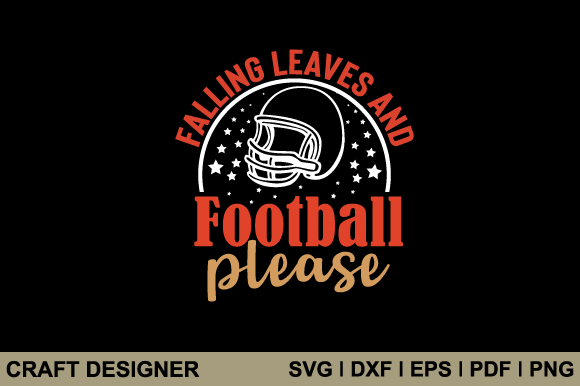
The immediate mood of this design is cozy and active, capturing that specific window of time when tailgate season overlaps with peak foliage. Visually, the balance between the organic shapes of the leaves and the structured geometry of the football is pleasing. However, as an embroiderer, my eye goes straight to the line weight and negative space. The Falling Leaves and Football Svg Cut File offers clean vectors, which is a promising start for digitizing.
For a machine embroidery design, clarity is king. If the lines are too thin, they disappear under thread tension. If the details are too intricate, they turn into a muddy mess of jumps and trims. This graphic strikes a respectable middle ground. It feels substantial enough to support a satin stitch border without requiring excessive manual cleanup in your embroidery software. The layout suggests it would serve beautifully as a center chest motif on crewnecks or a prominent focal point on nursery decor, rather than getting lost as a tiny cuff accent.
Real-World Application: The Custom Sweatshirt Test
To truly evaluate this asset, I mentally placed it in a current best-seller scenario: a custom autumn sweatshirt for a local high school booster club or a boutique fall collection. In this context, the Falling Leaves and Football Svg Cut File needs to perform on fleece-backed French terry, a fabric that can be unforgiving.
When planning this sweatshirt embroidery project, I envision using this file as a base for an applique design. The solid areas of the football and larger leaves are perfect candidates for fabric appliqué, which reduces stitch density significantly compared to a full-fill stitch. This is crucial for apparel comfort. Nobody wants to wear a bulletproof vest patch on their chest. By utilizing the SVG’s clean paths to create precise placement lines, you can achieve a professional, boutique-quality finish that feels soft against the skin.
Furthermore, for Etsy sellers creating listings, the included PNG format allows for high-quality printable mockups. Before I even hoop fabric, I can overlay the PNG onto a sweatshirt template to show clients exactly what the final custom apparel will look like. This bridges the gap between digital assets and physical sales, helping secure pre-orders before consuming expensive materials.
Navigating Fabric Challenges and Hoop Limitations
While the design is versatile, practical experience dictates caution in certain applications. Not every embroidery project is created equal, and this graphic has specific constraints you must respect to maintain quality.
- Textured Fabrics: If you are stitching this onto a chunky knit blanket or a textured tea towel, the finer details of the leaf stems may get swallowed by the fabric weave. You will likely need to increase the column width in your digitizing software or use a water-soluble topping to keep the stitches visible.
- Stretchy Performance Wear: Using this for athletic gear requires careful stabilizer selection. The combination of rigid satin stitches and stretchy polyester fabric is a recipe for puckering. A cut-away stabilizer is non-negotiable here to maintain the shape of the football and leaves after washing.
- Small Hoop Sizes: While the Falling Leaves and Football Svg Cut File is scalable, shrinking it below 3 inches risks losing definition. The separation between individual leaves and the ball lacing must remain distinct. Always test at your intended size; if the details merge, simplify the design rather than forcing it.
- Curved Surfaces: Placing this on a cap or curved tote bag panel requires distortion compensation. The flat vector does not account for the curve of a hat brim. You may need to slightly elongate the design vertically in your software so it looks correct once wrapped around the 3D surface.
Commercial Viability and Product Value
For creative entrepreneurs and small shop owners, the value of a design lies in its sellability. Does this graphic justify a premium price point? Absolutely, provided the execution matches the vision. A well-stitched version of this design elevates a basic blank garment into a seasonal heirloom.
The theme targets a highly engaged demographic. Parents buying baby embroidery items for fall photoshoots, fans seeking unique game-day gear, and homeowners wanting seasonal holiday embroidery decor are all viable markets. The design’s gender-neutral palette potential makes it excellent for unisex merchandise, doubling your addressable audience. When used on items like canvas tote bag designs or kitchen linens, it signals a thoughtful, curated aesthetic that mass-produced alternatives cannot replicate.
However, professionalism is paramount. Ensure your thread colors have sufficient contrast against the base fabric. A dark brown football on a navy sweatshirt will fail to photograph well for social media, regardless of how good it looks in person. Always verify visibility in both natural light and flash photography, as this directly impacts buyer engagement online.
Essential Designer Notes for Production Success
Before you list a finished product or sell digital derivatives, run through this practical checklist. These steps separate hobbyists from professionals in the commercial embroidery space.
- Extract Correctly: Remember that you must extract the zip folder before accessing the SVG, DXF, EPS, PDF, or PNG files. Corrupt files from opening directly within the zip archive are a common beginner mistake.
- Verify Licensing: The product description notes the file formats but does not explicitly detail commercial licensing terms for finished goods versus digital redistribution. Always confirm the license before selling. Assuming you can resell the digital file itself could violate copyright, whereas selling a stitched personalized gift is typically permitted.
- Test Stitch-Out: Never run a client order without a sew-out on similar fabric. Check for registration errors between the outline and fill. Adjust pull compensation if the fabric shrinks.
- Mockup Reality Check: Use the provided PNG for mockups, but ensure it reflects reality. Do not digitally enhance the mockup to hide flaws that will appear in the actual stitch out. Customer trust relies on accurate representation.
- Format Flexibility: Utilize the DXF or EPS if you need to convert this into a specialized embroidered patch format or modify it heavily in vector software before importing to your embroidery machine. The SVG is ideal for cutting machines if you are doing vinyl-embroidery hybrids.
Final Thoughts on Design Assets
The Falling Leaves and Football Svg Cut File is a robust addition to any crafter's library, provided it is treated as a starting point for creation rather than a magic button. Its strength lies in its thematic versatility and clean geometry, making it suitable for everything from holiday gifts to boutique branding. By respecting the technical requirements of machine embroidery design and applying thoughtful production standards, you can transform these design assets into profitable, beautiful goods that resonate with customers. Whether you are making a single personalized gift or stocking a shop for the autumn rush, let practical craftsmanship guide your use of this file.