Pirate Football: A Designer’s Embroidery Review
When evaluating a new graphic for production, I look beyond the screen. As an experienced designer and product reviewer, my primary concern is always translatability. How does a digital concept survive the transition from pixels to thread? The Pirate Football graphic presents a unique intersection of two distinct visual languages: the rugged, historical aesthetic of piracy and the structured, athletic geometry of football. Before adding this to your library of design assets or listing it in your shop, it is crucial to understand how this specific fusion performs in real-world application.
First Impressions and Visual Hierarchy
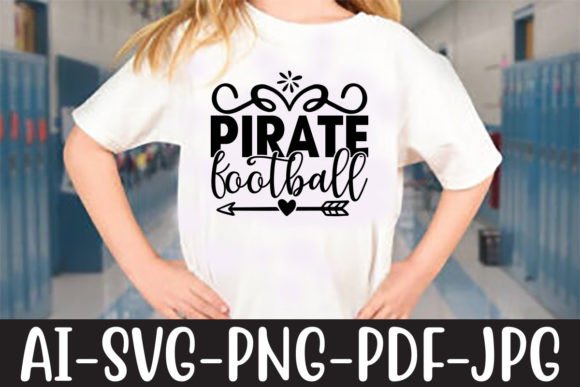
My initial assessment of Pirate Football focuses on its silhouette and balance. In the world of Crafts, novelty designs often suffer from clutter, but this graphic appears to maintain a cohesive center of gravity. The juxtaposition of a skull or pirate motif with football elements creates immediate narrative tension. For an embroidery digitizer or apparel decorator, this is promising because it offers clear separation of elements. When I view the high-resolution 300 DPI PNG and JPG files included in the Zip folder, the transparency allows me to instantly visualize placement on dark navy sweatshirts or white tote bags without needing complex editing software.
The visual personality here is bold rather than intricate. This is a significant advantage for custom apparel. Designs that rely on subtle shading often get lost in stitching, but Pirate Football seems built for high-contrast execution. Whether you are interpreting this as a direct-to-film transfer, a vinyl cut, or using it as a reference for creating a custom machine embroidery design, the strong lines suggest it will remain legible even at smaller sizes.
Real-World Application: The Varsity Tote Project
To truly judge this asset, I mentally placed it into a current client project: a line of collegiate-style canvas tote bags for a boutique sports gift shop. The goal was to create a personalized gift that felt vintage yet playful. Pirate Football served as the anchor graphic for this collection.
In this scenario, the design needed to hold its own against heavy canvas texture. Because the provided files are high-resolution graphics rather than pre-digitized stitch files, they offer immense flexibility. For this tote bag project, I could scale the PDF vector-style reference to ensure the proportions remained perfect when expanding the design to fill a 6x10 inch area. If you are an Etsy seller creating sweatshirt embroidery or patches, this scalability is vital. You aren't locked into a single size; you can adapt the artwork to fit a baby onesie or an adult hoodie back print while maintaining crisp edges.
Furthermore, having transparent background files streamlines the creation of printable mockups. Before committing thread or ink to fabric, I was able to overlay Pirate Football onto realistic product photos to gauge customer reaction. This step is essential for validating a small shop product before investing in inventory. The design’s distinct character makes it highly "clickable" in digital previews, which directly impacts buyer engagement.
Navigating Fabric and Technical Constraints
While the graphic is versatile, not every surface is suitable for this level of thematic detail. As a reviewer, I must highlight where caution is necessary. Pirate Football thrives on stable, medium-weight fabrics like twill, denim, canvas, or fleece. However, if you plan to use this for baby embroidery on thin knits or stretchy jersey, you must adjust your approach.
- Stretchy Fabrics: The bold shapes implied by this design can distort on elastic materials. Always use a high-quality cut-away stabilizer and consider a lighter stitch density if you are digitizing this yourself to prevent puckering.
- Textured Surfaces: On terry cloth towels or plush blankets, fine details within the pirate or football elements may sink into the pile. Use a water-soluble topping to keep the design sitting on top of the fabric nap.
- Curved Items: If applying this to caps or curved mugs, verify the aspect ratio. A flat 300 DPI PNG looks different when wrapped around a cylinder. You may need to warp the graphic slightly in your software to compensate for the curvature so the final finished product looks intentional rather than distorted.
- Small Hoop Sizes: While the source art is high resolution, reducing it too much for a 4x4 hoop might cause the internal details of the pirate face or football laces to merge. Test stitch on scrap fabric first to determine the minimum viable size.
Commercial Viability and Brand Consistency
For creative entrepreneurs and commercial embroidery businesses, consistency builds trust. Pirate Football works exceptionally well as part of a larger niche collection. It bridges the gap between seasonal holiday embroidery (think Halloween sports parties) and year-round team spirit wear. This duality increases the return on investment for the design asset.
However, professionalism lies in the finish. Even though you receive high-quality Graphics, the end result depends on your production standards. If you are selling physical items, ensure your thread colors match the mood of the artwork. Muted, vintage tones often suit this theme better than neon brights. If you are selling the digital files themselves or using them for sublimation, the 300 DPI specification ensures that prints on mugs and signs remain sharp. Blurry edges destroy perceived value, but these files provide the foundation for professional-grade output.
Essential Pre-Production Checklist
Before you list a product featuring Pirate Football or begin a bulk run, run through this practical checklist. These steps separate hobbyists from professional makers:
- Verify Licensing: Confirm whether your purchase includes commercial rights for finished goods versus digital redistribution. Never assume; check the terms included in the Zip folder.
- Contrast Testing: View the design in grayscale. If the pirate hat blends into the football helmet in black and white, it will lack definition in tone-on-tone embroidery. Adjust contrast or add outlines if necessary.
- Mockup Validation: Create at least three mockups: one on white, one on black, and one on a colored background relevant to your target audience. This reveals potential visibility issues.
- Sample Stitch-Out: If converting this graphic to an embroidery file, never skip the test run. Check for jump stitches, registration errors, and density issues on the actual fabric you intend to sell.
- Wash Test: For items like kitchen towels or baby clothes that require frequent laundering, wash your sample three times. Ensure the design integrity holds up and that dense stitch areas don’t damage the garment.
Final Verdict for Makers
Pirate Football is more than just a cute graphic; it is a functional design asset with strong commercial potential for the right niche. Its high-resolution format respects the needs of both digital printers and embroidery digitizers who require clean source material. For the handmade product seller, it offers a distinctive alternative to generic sports clip art, allowing for unique branding in a saturated market.
Whether you are crafting a custom patch, designing a nursery pillow, or building a fall collection for your Etsy shop, this design provides a solid visual foundation. Just remember that the file is the blueprint, not the building. Your expertise in stabilizer selection, color theory, and fabric pairing is what will ultimately bring Pirate Football to life in a way that delights customers and stands up to real-world use. Treat the source files with respect, test thoroughly, and this graphic can become a reliable staple in your creative toolkit.